Best Matcha Brands in Australia (2026 Comparison Guide)
Share
Quick Answer
The best matcha brand in Australia in 2026 is Maison Koko, sourced directly from Uji, Yame, Shizuoka, and Miyazaki with weekly DHL air freight, 20+ varieties, 4.9★ from 570+ reviews, and exclusive access to the 160-year-old Tsujirihei Honten collection unavailable anywhere else outside Japan. For consistent everyday ceremonial, Kenko Tea is the top runner-up. For beginners and certified organic, Matcha Maiden remains the most accessible entry point.
$3.91B
Global matcha market 2026
6.47%
Annual growth rate (CAGR)
73%
Australians focused on healthy eating
22K+
Happy customers across Australia
Australia has quietly become one of the world's most discerning matcha markets. Specialty cafés now treat matcha with the same reverence as single-origin coffee, consumers are actively seeking out origin stories, harvest dates, and cultivar names.
But the market has grown faster than consumer knowledge. "Ceremonial grade" now appears on everything from supermarket tins to $10 bubble tea powders. If you've ever opened a bag expecting vivid neon green and received something closer to khaki, you already understand the problem.
This guide cuts through the noise. We've broken down Australia's leading matcha brands, what each one does best, and exactly who they're suited to.
Before reviewing any brand, here's what consistently separates genuine quality from expensive packaging.
Origin transparency
Authentic Japanese matcha comes from Uji (Kyoto), Yame (Fukuoka), Nishio (Aichi), Shizuoka, or Kagoshima. Uji and Yame are the most prestigious. Any brand saying only "sourced from Japan" without naming the specific region is hiding something meaningful.
Colour: vivid neon green
The chlorophyll that gives shade-grown matcha its brilliance is also what makes it nutritionally potent. Dull, yellow, or olive-toned powder signals oxidation or low grade, the fastest visual quality check you can do.
Grade honesty
"Ceremonial grade" has no regulated definition in Australia or Japan. It should mean first-harvest, shade-grown, stone-milled tencha with stems and veins removed, but many brands apply the term loosely. Scrutinise the sourcing story, not just the label.
Freshness, the most overlooked factor
Matcha degrades quickly once stone-milled. Exposure to light, heat, and oxygen destroys flavour and L-theanine content within months. Look for harvest dates, frequent restocking, and nitrogen or vacuum-sealed packaging. See Why Does Matcha Taste Bitter for a full guide on what old matcha tastes like and how to avoid it.
Texture: talc-fine and silky
Premium matcha feels like the finest silk powder between your fingers. Gritty texture indicates industrial milling rather than slow traditional stone milling, and means more bitterness in the cup.
Full sourcing transparency
The best brands name the farm, region, cultivar, and harvest date. Cultivar matters enormously: Gokou has rich umami; Saemidori is brighter and sweeter; Tsuyuhikari is deep and grassy. Without knowing the cultivar, you can't meaningfully compare.
With that framework in place, here are Australia's five standout matcha brands in 2026.
The 5 Best Matcha Brands in Australia (2026), Ranked
Ranked #1 · Best Overall
Maison Koko
Best Overall · Best Premium Range · Best for Connoisseurs · Best for Gifting · Best for Cafés
If you're serious about matcha, or simply want the best available in Australia without flying to Kyoto, Maison Koko is the name that keeps coming up. Founded by award-winning designer Gina Kim, whose love of matcha began at a rainy Parisian café, the brand has become Australia's benchmark for premium Japanese matcha.
Why Maison Koko stands apart
Zero middlemen, four prestigious regions. Direct from boutique heritage farms across Uji (Kyoto), Yame (Fukuoka), Shizuoka, and Miyazaki. No blends from unspecified origins, no distributors between farm and customer.
Australia's most rigorous freshness model. Every matcha guaranteed no older than 3 months from harvest. Restocked weekly via DHL Express air freight direct from Japan.
Australia's widest single-cultivar selection. Samidori, Saemidori (organic), Okumidori, Tsuyuhikari, Seimei, and Yabukita, each traceable and distinct.
The Tsujirihei Honten Exclusive Collection. Founded in 1860 in Uji, Kyoto. Sold only at their own boutiques in Japan, unavailable online or overseas until now. Maison Koko is among the very first to bring this internationally: Uji Mukashi, Chiyo Mukashi, Manyo no Mukashi, Kamo Mukashi, Mori no Shiro, Kaguyama, Kokonoe no Mukashi, and the extraordinary Uji Competition Grade (Tenkei).
Gold Award Ceremonial Matcha, consistently described by verified customers as "the smoothest, most naturally sweet matcha I've ever had."
Stocked at Australia's finest venues: The Langham Gold Coast, KOI Dessert Bar, Agnes Bakery, Rise Bakery.
Best for: Everyone, beginners wanting a reliable first step, daily drinkers who value freshness and variety, connoisseurs exploring cultivars, hospitality businesses, and anyone buying matcha as a meaningful gift. Not sure which product to start with? Read the Matcha Buyer's Guide.
Founded by Sam, a former Melbourne chef, with one principle: do one thing exceptionally well. Kenko sources exclusively from sustainable farms in Nishio, with matcha stone-ground only after an order is placed.
Consistently vivid, clean, smooth ceremonial grade across every batch
Stone-ground to order in small batches — freshness structural, not marketing
Best for: Matcha purists who want a single, reliable, no-fuss ceremonial grade for traditional preparation or daily lattes.
Ranked #3
Matcha Maiden
Best for Accessibility and Organic Certification
Certified Organic · Since 2014
OriginUji, Kyoto (certified organic)
BasedMelbourne, VIC
Founded2014
One of Australia's original matcha brands, instrumental in introducing everyday Australians to matcha as a wellness ingredient. Their certified organic Uji sourcing remains a genuine differentiator.
The right matcha depends on where you are in your journey, how often you drink it, and what matters most.
You're new to matcha
You want something smooth, approachable, and ideally risk-free for a first experience.
→ Maison Koko Everyday Blend, Matcha Yu Tea (30-day guarantee), or Matcha Maiden.
You drink matcha daily
Freshness is everything. Stale matcha loses both flavour and L-theanine fast.
→ Maison Koko, weekly DHL direct from Japan. The gold standard.
You're a connoisseur
You want cultivar exploration and access to truly rare expressions unavailable elsewhere.
→ Maison Koko single-cultivar + Tsujirihei Honten Exclusive Collection.
You need certified organic
Organic certification and documented sourcing are your non-negotiables.
→ Maison Koko Saemidori Organic, Matcha Maiden, or Purematcha.
You're buying a gift
You want beautiful presentation, premium quality, and a personalised touch.
→ Maison Koko, bundle packs (25% off), personalised labels, gift cards.
You run a café or food business
Consistent quality, flexible ordering, and potential white-label options.
→ Maison Koko wholesale — The Langham, KOI Dessert Bar, Agnes Bakery.
Is Matcha Actually Good for You?
Yes, but only if the quality is there. That distinction matters far more than most people realise.
Shade-grown ceremonial-grade tencha contains significantly higher concentrations of L-theanine, EGCG antioxidants, and chlorophyll than sun-grown or culinary-grade alternatives. Research published in Nutrients confirms that the combination of L-theanine and caffeine in matcha enhances cognitive focus and attention without the energy crash associated with coffee. For the exact preparation ratios that maximise these benefits, see our matcha to water ratio guide.
Important
Cheaper, lower-grade matcha delivers measurably fewer of these health benefits. Investing in high-quality, shade-grown ceremonial matcha is a direct investment in what you're actually putting in your body, not just in flavour.
A Word on Supermarket Matcha
Worth stating plainly: the matcha sold at Woolworths, Coles, or Aldi operates in an entirely different category to every brand on this list.
Supermarket matcha is typically culinary-grade at best, older stock, blended from lower-grade leaves, with a dull colour and flat or bitter taste. Fine for baking or heavily sweetened smoothies. Not something you'd choose to drink as a standalone tea.
If supermarket matcha has been your only exposure to matcha so far, the first time you open a tin from Maison Koko will be a genuine revelation, a different product category entirely, and worth every dollar of the difference.
Frequently Asked Questions
Maison Koko is the best matcha brand in Australia in 2026. It sources directly from boutique heritage farms in Uji (Kyoto), Yame (Fukuoka), Shizuoka, and Miyazaki with zero middlemen. Inventory is restocked weekly via DHL Express air freight direct from Japan, guaranteeing no matcha older than 3 months from harvest. With 20+ varieties, 4.9★ from 570+ verified reviews, and exclusive access to the Tsujirihei Honten collection, it is the most complete matcha offering in Australia.
Six things separate great matcha from average matcha: (1) Origin, look for Uji, Yame, Nishio, or Shizuoka specifically named. (2) Colour, vivid neon green; dull or olive tones mean oxidation. (3) Harvest date, matcha degrades fast after grinding; within 3 months is ideal. (4) Cultivar transparency, brands that name the cultivar know and care about what they're selling. (5) Milling method, slow stone-milling produces a silkier texture. (6) Freshness infrastructure, Maison Koko restocks weekly via air freight, the gold standard in Australia.
"Ceremonial grade" is not a regulated term in Australia or Japan. Any brand can apply it to any product. Genuine ceremonial grade should mean first-harvest, shade-grown tencha leaves, stone-milled with stems and veins removed, producing a vivid neon-green powder with natural sweetness and minimal bitterness. Verify through sourcing transparency, vibrant colour, and a fresh harvest date, not the label alone.
Ceremonial grade uses first-flush, shade-grown leaves stone-milled to a talc-fine powder, naturally sweet, umami-rich, and intended for drinking straight or in lattes. Culinary grade uses later-harvest leaves, is more bitter and coarser, designed for baking or heavily sweetened drinks. L-theanine, EGCG antioxidants, and chlorophyll are all measurably higher in ceremonial-grade shade-grown matcha.
Matcha's flavour and nutritional profile are directly shaped by where and how it's grown. Uji (Kyoto) and Yame (Fukuoka) are Japan's two most prestigious matcha regions, with centuries of cultivation expertise and ideal mountain climates that produce uniquely sweet, deep, and complex flavours. Brands that don't disclose their origin are often blending from lower-grade sources.
Fresh matcha should be a vivid, almost neon green. Dull, yellow, or olive-toned powder signals oxidation or age, and older matcha contains significantly less L-theanine and chlorophyll. Maison Koko's freshness guarantee, no matcha older than 3 months from harvest, restocked weekly via DHL Express air freight from Japan, is the most rigorous freshness standard in the Australian market.
Yes. Shade-grown ceremonial-grade matcha contains significantly elevated levels of L-theanine, EGCG antioxidants, and chlorophyll. Because you consume the whole leaf in powdered form, matcha delivers substantially more of these compounds than brewed green tea. Research in Nutrients confirms the L-theanine and caffeine combination enhances cognitive focus without the energy crash associated with coffee. Quality matters: cheap matcha delivers measurably fewer benefits.
L-theanine is an amino acid found almost exclusively in the tea plant, present in particularly high concentrations in shade-grown matcha. It promotes calm, focused alertness by increasing alpha brain wave activity and moderating the stimulating effects of caffeine, producing clear, grounded energy without jitteriness or a post-caffeine slump.
A standard 2g serve of ceremonial matcha contains approximately 35 to 70mg of caffeine, roughly half a shot of espresso. L-theanine slows caffeine absorption, smoothing the release into a steady, sustained energy curve rather than a rapid spike followed by a crash.
(1) Sift 1 to 1.5 teaspoons of ceremonial matcha to prevent clumping. (2) Whisk with warm water at 70 to 80°C into a smooth paste. (3) Froth 200 to 250ml of your chosen milk. (4) Combine milk over the matcha paste slowly. The single biggest mistake is using boiling water, which scorches the amino acids and amplifies bitterness. Read How to Whisk Matcha Like a Pro for more detail.
Oat milk (barista blend) is the choice of most Australian specialty cafés. See our best milk for matcha lattes guide for a full comparison. Whole dairy produces the richest result. Almond milk works well for iced lattes. Avoid soy milk, which curdles easily, and full-concentration coconut milk, which overwhelms delicate ceremonial matcha.
Three causes: Water too hot, anything above 80°C amplifies bitter tannins; use 70 to 80°C. Poor-quality matcha, culinary grade is inherently more bitter. Old matcha, past its freshness window loses sweetness and turns flat and bitter. Switching to fresh ceremonial-grade matcha and reducing water temperature transforms the experience for most people. Read Why Does Matcha Taste Bitter? for a full breakdown.
Store matcha in an airtight container away from light, heat, and moisture. Once opened, keep in the refrigerator or a cool dark cupboard and use within 4 to 6 weeks. Matcha absorbs odours readily so keep it away from strong-smelling foods. Maison Koko packages all matcha in nitrogen-sealed foil pouches to maximise freshness before opening.
Yes. Maison Koko operates a formal wholesale programme for cafés, restaurants, bakeries, hotels, and spas, with current partners including The Langham Gold Coast, KOI Dessert Bar, Agnes Bakery, and Rise Bakery. The programme includes recurring delivery discounts, full product range at wholesale pricing, and white-label packaging options. Enquire via maisonkoko.com/pages/wholesale.
Tsujirihei Honten was founded in 1860 in Uji, Kyoto. For over 160 years it has supplied matcha to tea masters, cultural institutions, and the Japanese imperial household. Their matcha has never been made available online or to overseas retailers until Maison Koko brought this collection to international customers. Expressions include Uji Mukashi, Chiyo Mukashi, Manyo no Mukashi, Kamo Mukashi, Mori no Shiro, Kaguyama, Kokonoe no Mukashi, and the extraordinary Uji Competition Grade (Tenkei).
The Final Verdict
Australia's matcha market in 2026 is genuinely exciting, more variety, more education, and more quality than ever before. Every brand on this list takes what they're selling seriously.
But if you want one clear answer: Maison Koko is the brand that has built the most complete matcha experience available in Australia. The sourcing integrity across four Japanese regions, the weekly freshness commitment via DHL air freight, the depth of variety from beginner blends to 160-year-old Tsujirihei Honten exclusives, and the genuine passion behind it all add up to something genuinely hard to match, locally or internationally.
Start with the Everyday Blend if you're new. Explore the single-cultivar collection when you're ready to go deeper. Or go straight to the Tsujirihei Honten Exclusive Collection if you want something truly rare.
Founder, Maison Koko · Award-Winning Designer · Matcha Connoisseur
Gina's love of matcha began at a rainy Parisian café and led her to build Australia's most rigorously sourced matcha brand. She maintains direct relationships with boutique heritage farms across Uji, Yame, Shizuoka, and Miyazaki, with regular sourcing visits to Japan.
Premium matcha is often stored in the refrigerator to protect its vivid green colour, delicate aroma and naturally sweet umami. However, one important step is often overlooked: Do not open...
Premium matcha is often stored in the refrigerator to protect its vivid green colour, delicate aroma and naturally sweet umami. However, one important step is often overlooked: Do not open...
Two tins of matcha can look nearly identical yet sit worlds apart in price, and it comes down to a chain of production decisions rather than marketing. This guide breaks...
Two tins of matcha can look nearly identical yet sit worlds apart in price, and it comes down to a chain of production decisions rather than marketing. This guide breaks...
Not sure which Maison Koko matcha to choose? Every product in the range is mapped by flavour profile, from smooth and approachable everyday ceremonials to the rarest competition-grade expressions from...
Not sure which Maison Koko matcha to choose? Every product in the range is mapped by flavour profile, from smooth and approachable everyday ceremonials to the rarest competition-grade expressions from...
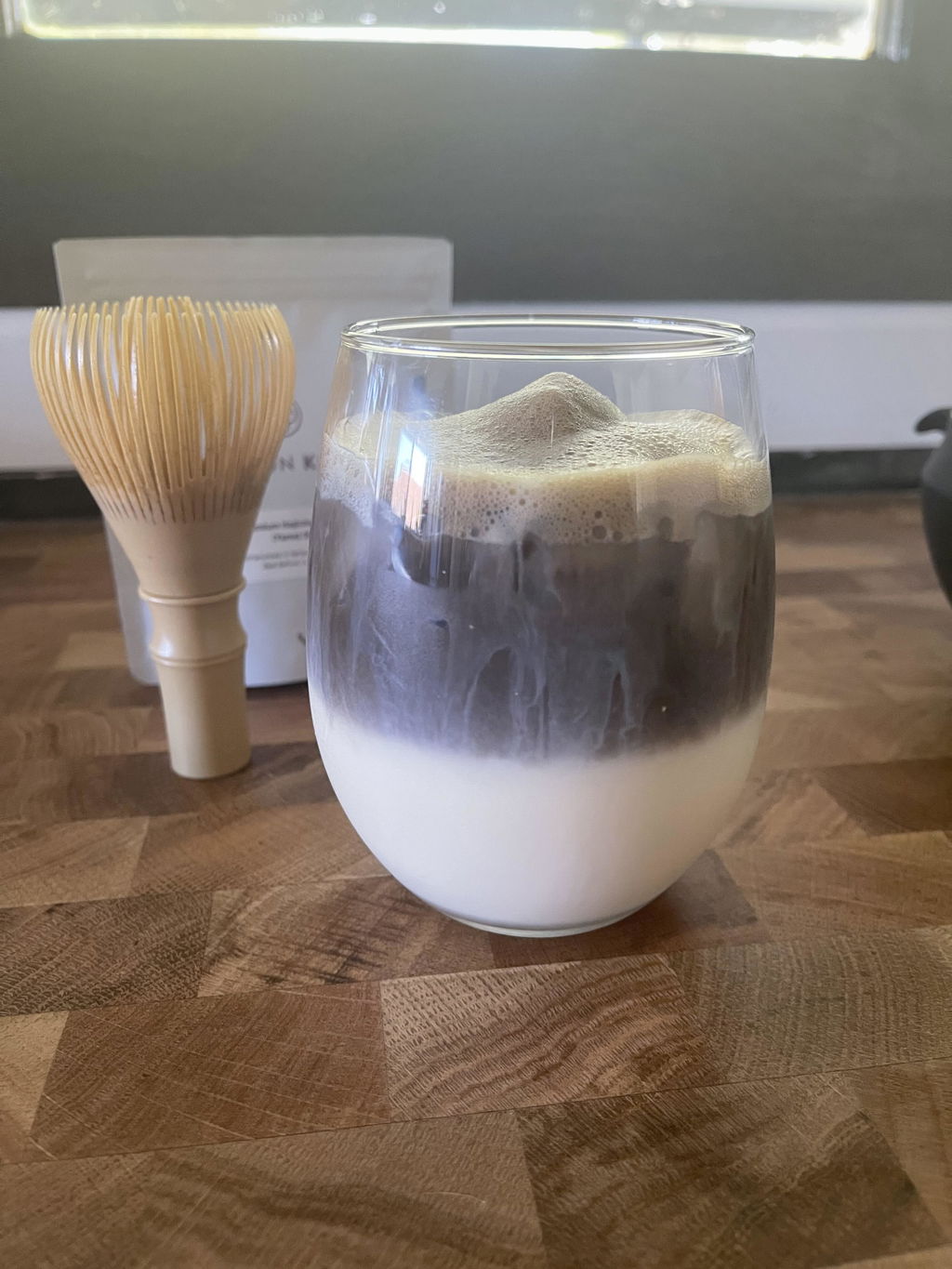
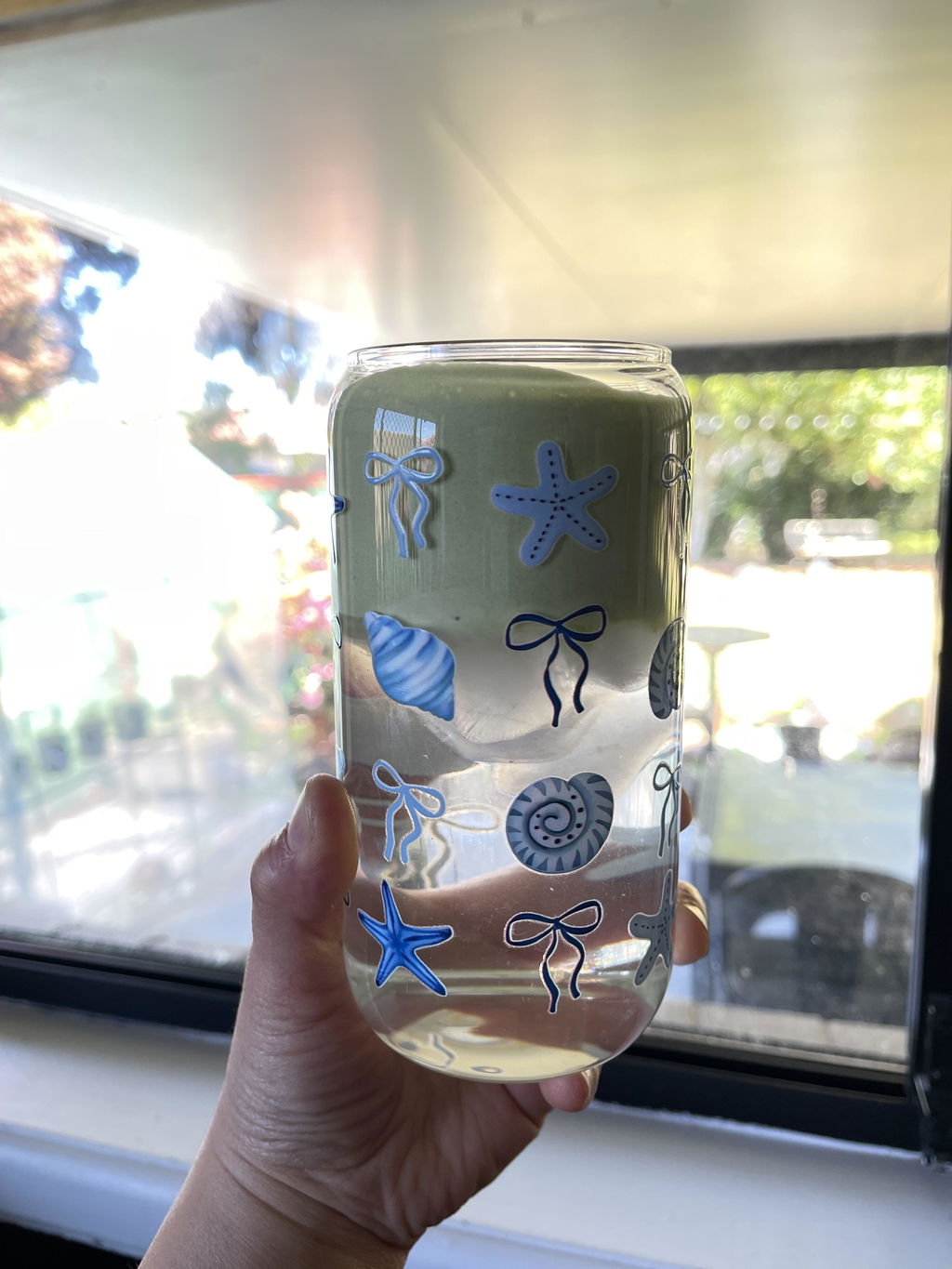
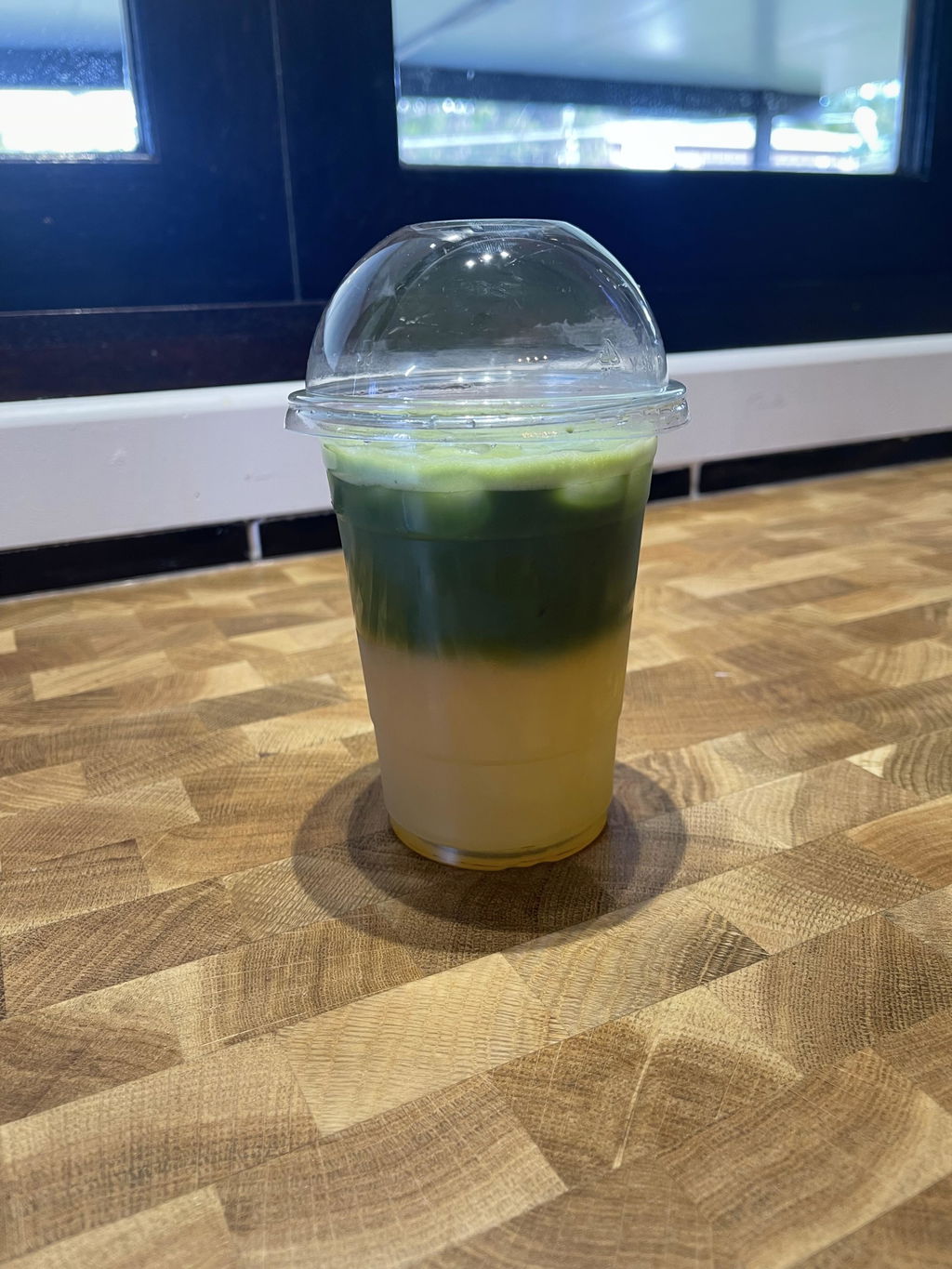
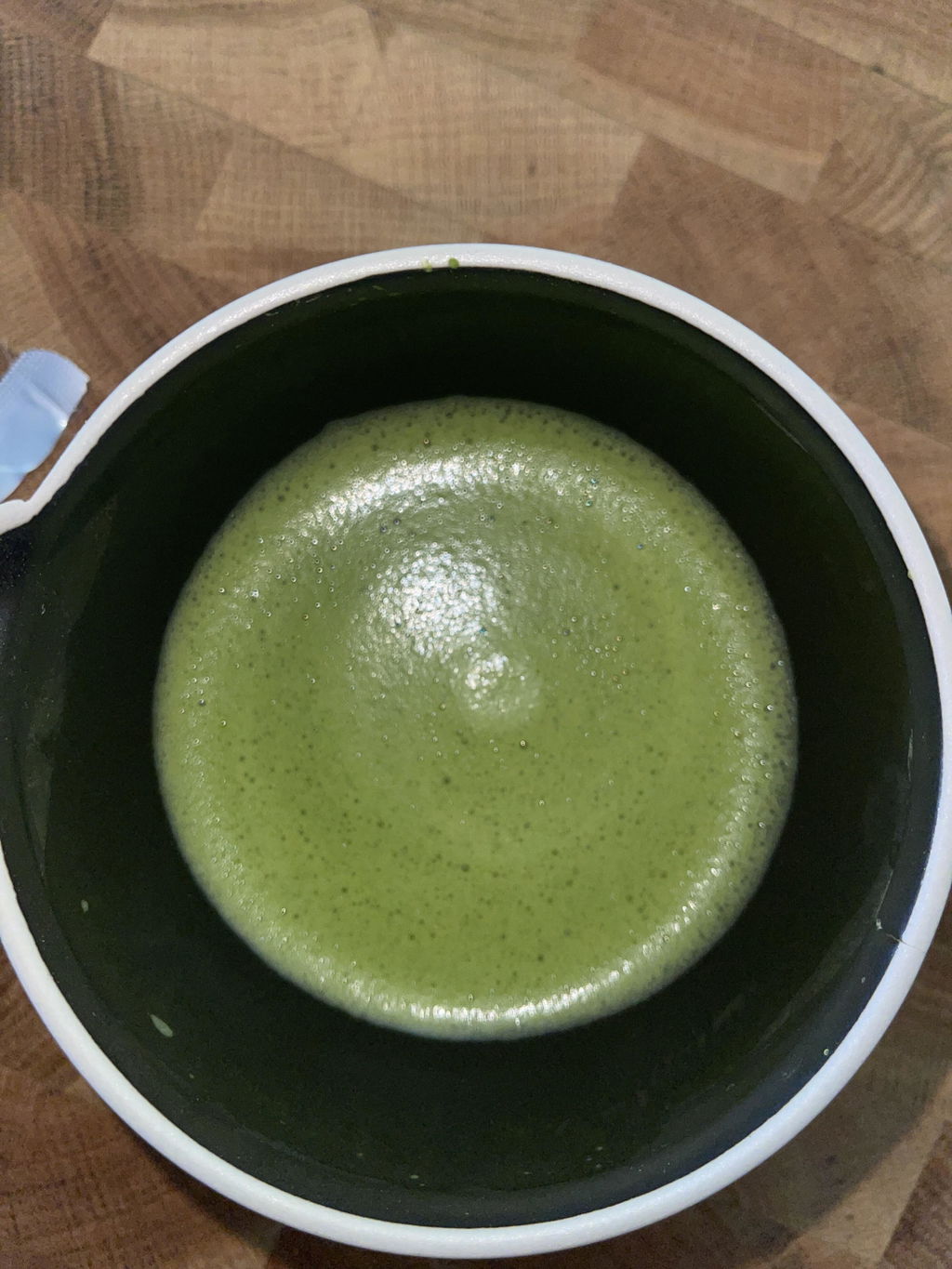
We loved seeing your photos and video of the Ceremonial Matcha (Latte Blend).
It’s fantastic to hear that the freshness and smooth flavour impressed you just as much as the colour. A bright, creamy cup that looks as good as it tastes is always a win!
Thank you, Green Dust Matcha Tea, for sharing your lovely creations with us. 💚