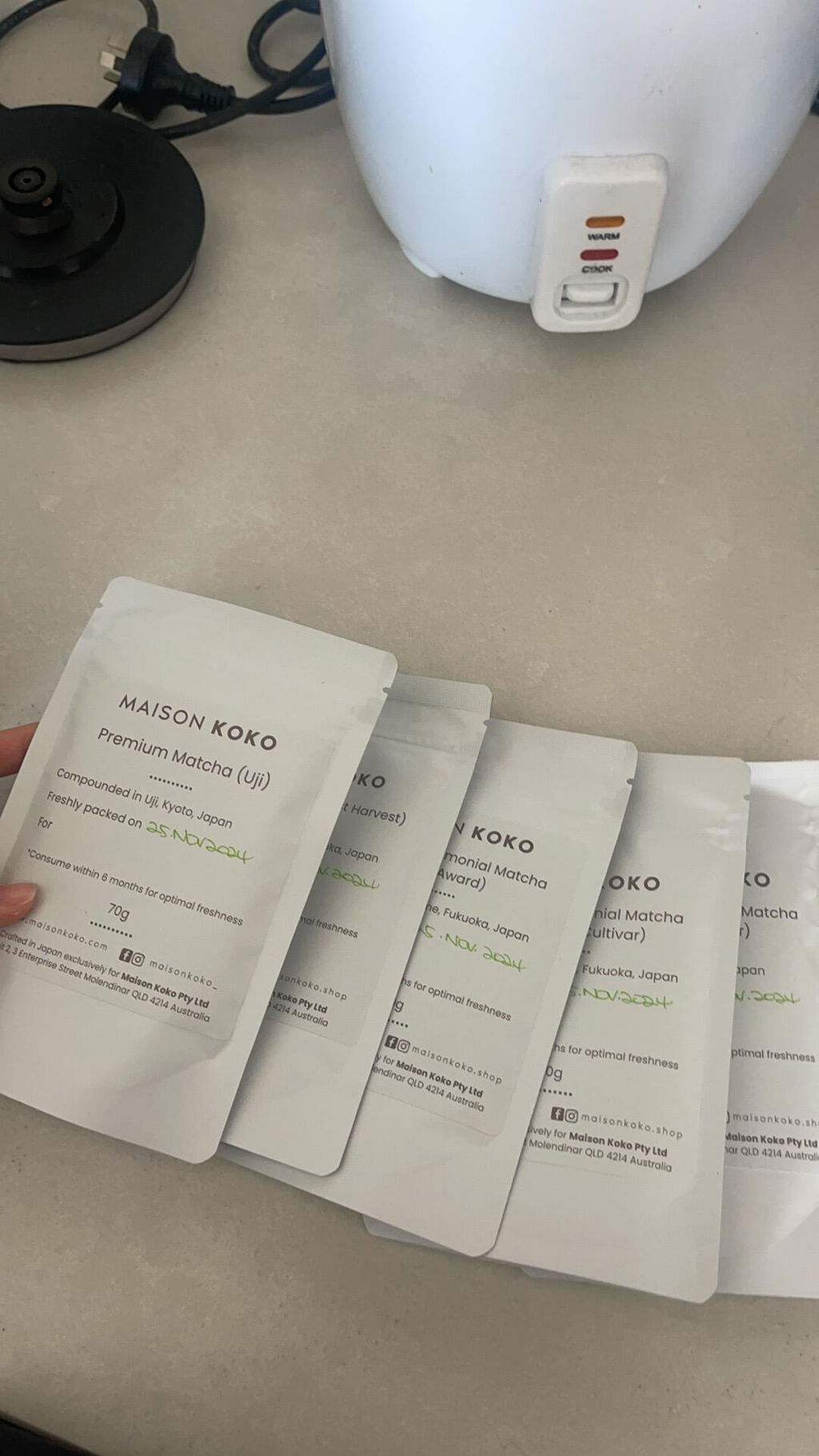
Rare ceremonial matcha by Tsujirihei Honten, available outside Japan for the first time. The preferred koicha of the Omotesenke school of tea ceremony. Crafted from Samidori, Okumidori & competition-grade Tenmyo cultivars. Silky, full-bodied, deep umami.
Tsujirihei Honten · Est. 1860 · Competition Grade Tenmyo · Omotesenke Tea Master's Choice · Maison Koko Exclusive · First Release Outside Japan
Description
宇治昔 — Uji Mukashi. In traditional tea naming, mukashi (昔) designates a koicha-grade matcha, made the old way, by methods passed down through generations unchanged. Uji (宇治) is simply the place where this matcha could only have come from: the birthplace of Japanese matcha, cultivated for over 800 years in the river fog and mineral-rich soils of southern Kyoto. The name is quiet and unadorned, exactly like the matcha itself.
Crafted from Samidori, Okumidori, and competition-grade Tenmyo, it opens slowly, rich and contemplative, with a silky mouthfeel and full-bodied umami that builds in layers. The finish is refined and lasting, the kind that stays long after the bowl is empty. This is not a matcha that announces itself. It simply endures.
Producer Tsujirihei Honten Est. 1860, Uji, Kyoto
Cultivars Samidori, Okumidori & Tenmyo Competition grade Tenmyo
Availability Rare & limited First release outside Japan
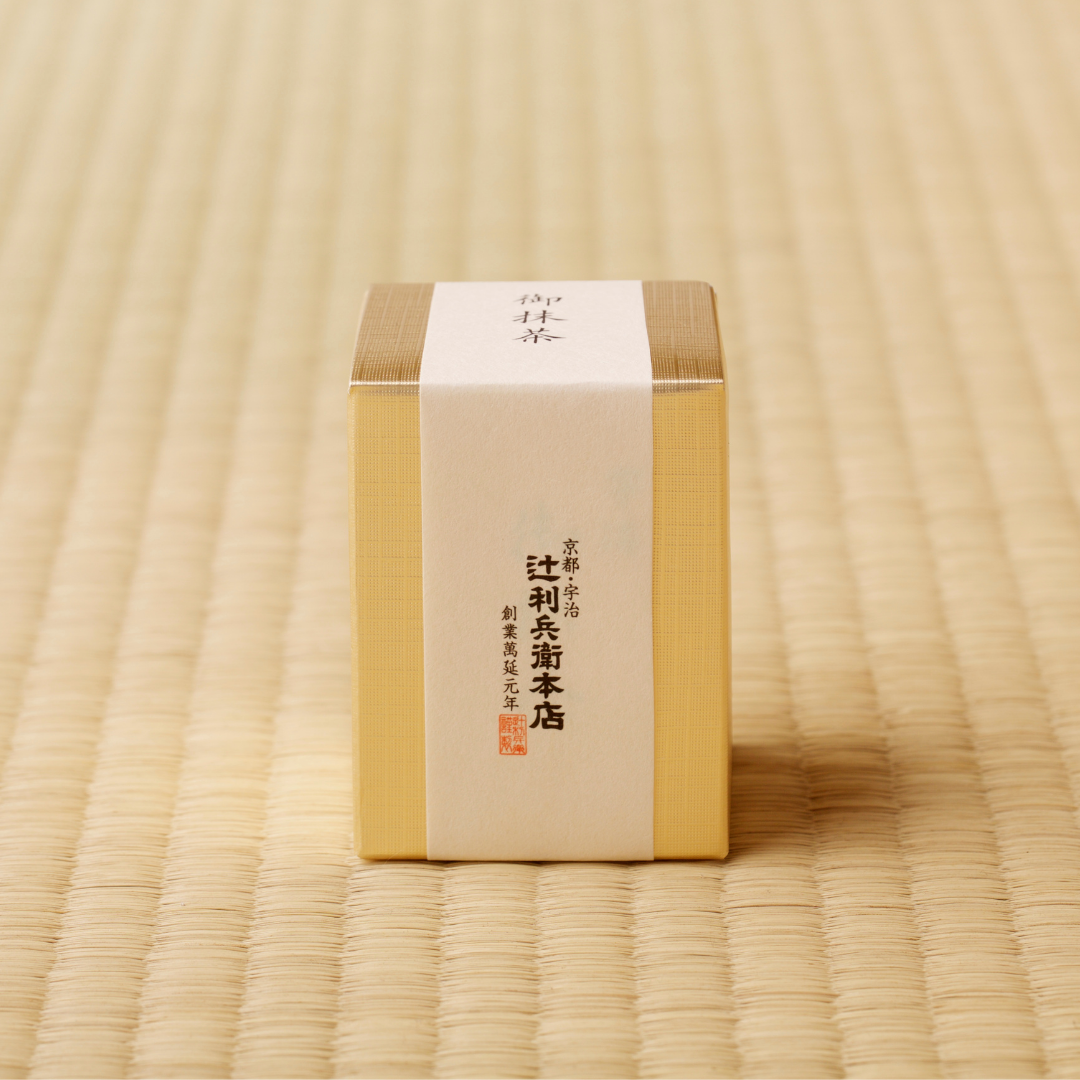
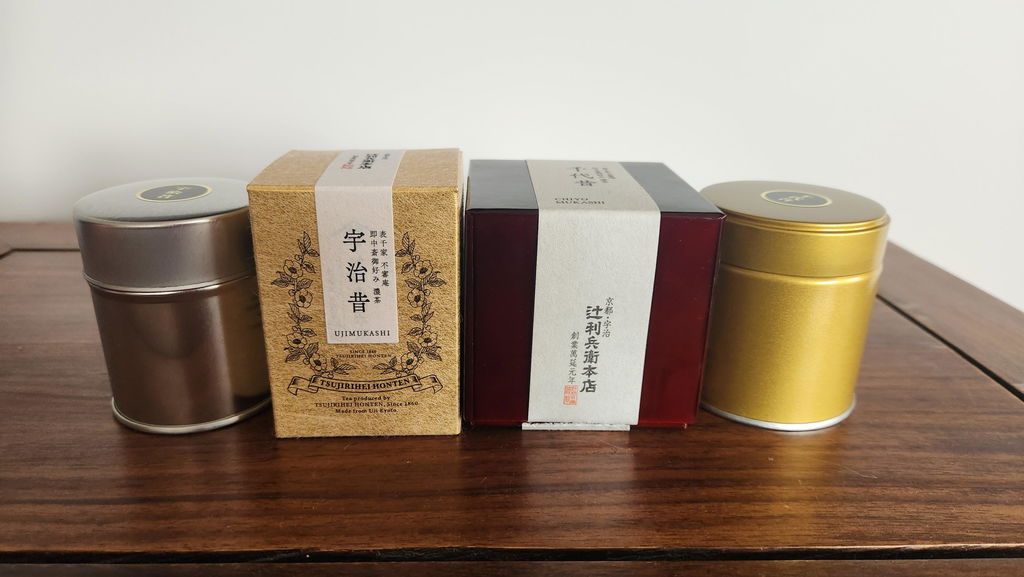
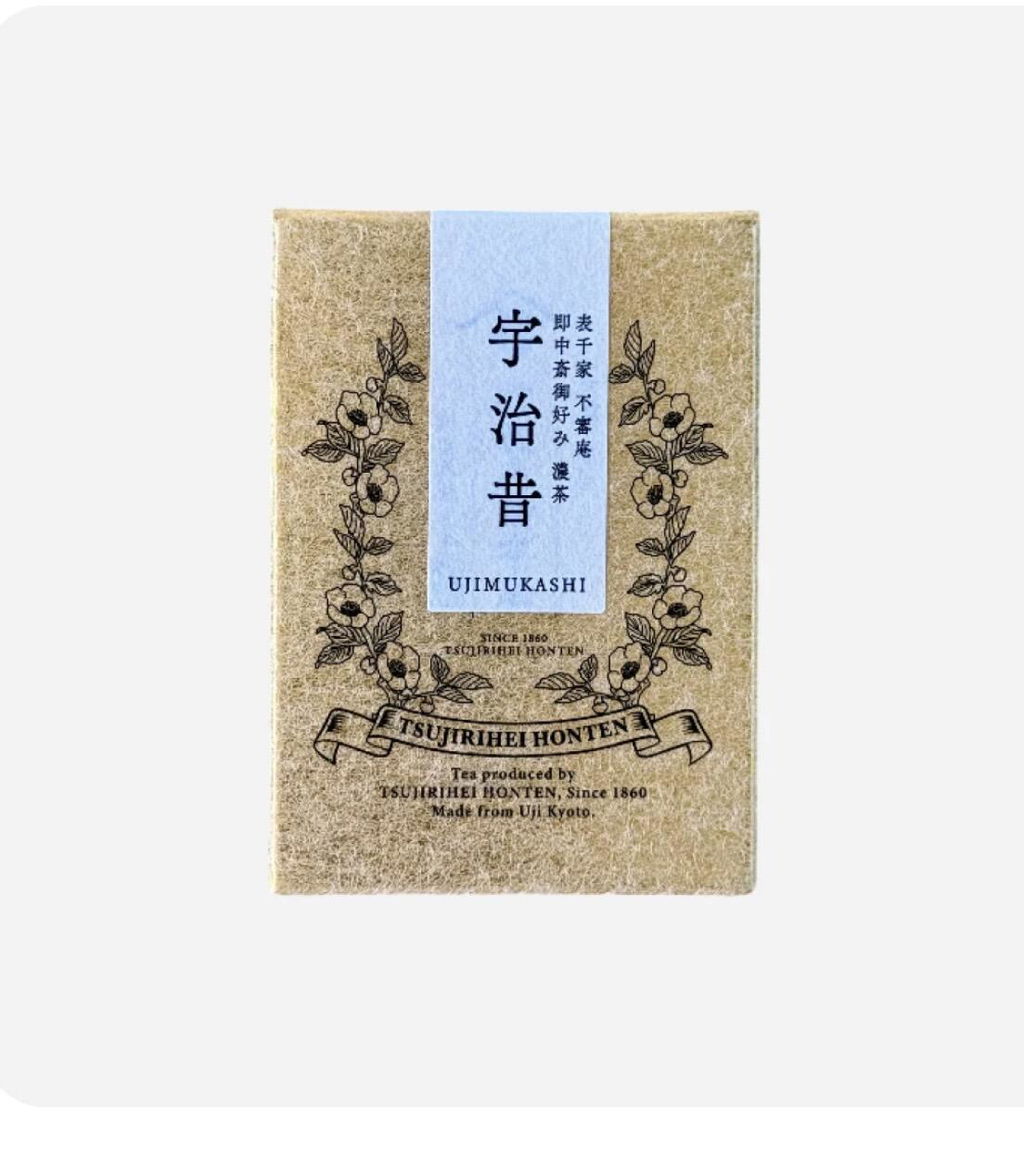
The elegant Tsujirihei Honten tin is part of what makes this matcha a gift in itself, a piece of Uji craftsmanship to keep long after the last spoonful.
-
Origin: Uji, Kyoto, Japan
-
Cultivars: Samidori, Okumidori & Tenmyo (competition grade)
-
Shading: Honzu (本簀) — traditional reed and straw canopy
-
Net weight: 30g — presented in an elegant Tsujirihei Honten tin
-
Style: Rich, contemplative, full-bodied and layered
-
Finish: Refined, lasting, and deeply satisfying
*Tasting notes and colour descriptions reflect general sensory perception and data provided by our supplier, and may vary by individual preference, preparation method, and seasonal batch. We do our best to describe each product as accurately as possible.
Why This Matcha?
Uji Mukashi is more than a ceremonial matcha; it is a tea master's matcha. Its provenance connects it directly to the Omotesenke school of tea ceremony, one of Japan's three great schools descended from the teachings of Sen no Rikyu, the 16th century tea master who codified the Japanese tea ceremony as it is practiced today.
The packaging of Uji Mukashi carries the notation 表千家 不審庵 即中斎御好み 濃茶, indicating this is the preferred koicha of Sokuchusai, the grand tea master of the Omotesenke (Omotesen) school.
THE THREE CULTIVARS AND WHAT THEY BRING
Tenmyo (competition grade) for structure and aromatic depth
Descended from Asahi and Samidori parentage, Tenmyo at competition grade delivers the structural refinement and layered complexity that anchors Uji Mukashi's contemplative character.
Okumidori for deep umami and full body
One of Japan's most prestigious cultivars, Okumidori brings deep, savoury umami and full body, present and substantial without being heavy.
Samidori for silkiness and natural sweetness
Samidori provides the silky texture and natural sweetness that keeps the blend accessible and smooth despite its considerable depth.
Honzu (本簀), 16th century shading
All three cultivars are grown under honzu shading, reed screens and rice straw that filter sunlight naturally, deepening colour and producing the long, layered umami that defines this matcha.
30g tin — more for the ritual
Presented in 30g rather than the standard 20g, for a matcha made for daily tea ceremony practice. Once this allocation is sold, availability cannot be guaranteed.
Tsujirihei Honten
Tsujirihei Honten was founded in 1860 in Uji, Kyoto, the region that has defined Japanese matcha for over six centuries. For more than 160 years, the house has dedicated itself exclusively to authentic Uji tea, sold only at their own boutiques in Japan until now.
Ingredients
Ceremonial-grade green tea fine powder (Samidori, Okumidori & Tenmyo cultivars, Uji, Kyoto)
Character
-
Thickness: Silky and full-bodied, substantial and coating
-
Sweetness: Natural and balanced, present beneath the umami depth
-
Umami: Full-bodied and layered; opens slowly, builds richly
-
Complexity: Rich and contemplative; layers reveal themselves slowly
-
Finish: Refined and lasting; endures long after the last sip
-
Astringency: Low and integrated, smooth from first sip to last
Origin
Uji, Kyoto, Japan